
Lore
BEAR lore and theories: the Monstrosity origins, creepypasta background, developer secrets and the hidden messages inside every map.
Introduction
The Lore hub explores the unexplained corners of BEAR (Alpha): where the Monstrosity came from, why the game carries the 'Alpha' suffix, and the hidden writing the developer seeds into every update. BEAR's official description is famously short — the creature 'began. Out of nowhere' — and the community has spent years building the tasty theories that fill that silence. Players dig through hidden files, developer posts, round titles and map props to reconnect the creepypasta history, the Chromophobia-linked stories and the two-version lore that the Alpha naming keeps alive. Articles here collect the evidence chain for each theory and clearly mark what is confirmed fact, what is community speculation and what remains genuinely unresolved.
Lore Layers Overview
| Layer | Source | Verification |
|---|---|---|
| Game World | Round titles, props and map set dressing | Confirmed in live builds, screenshot-verified |
| Hidden Files | Early builds, unused assets and cut content | Community finds; hard to verify in current build |
| Developer Posts | Cheedaman's cryptic X and YouTube replies | Snapshot-verified at time of posting |
| Creepypasta Wrapper | Chromophobia-linked stories and internet horror | Legacy community links; labelled speculation |
Lore Threads
The Monstrosity
The unnamed creature whose origin is never confirmed
Creepypasta & Chromophobia
The internet-horror tradition that shaped the game's tone
Developer Secrets
Cheedaman's cryptic posts and the meanings in round titles
Player Theories
The iceberg deep dives that connect versions, files and the Alpha naming
Core Mechanics
Lore discovery in BEAR follows a documented evidence chain. The primary source is the game world itself: map props, round titles and set dressing that repeat across Assembly, The Lost Tapes and the remakes carry small narrative hooks players screenshot and compare. Peeking at cut content and hidden files adds a second layer — early builds and unused assets are combed for lines the developer left in and then removed. Developer posts on Cheed's X account and YouTube supply a third thread, since Cheedaman has answered lore questions with cryptic answers that players decode like a cipher. Finally, the creepypasta wrapper — the Chromophobia-linked stories and the internet horror tradition — gives the theories their tone, connecting the game's minimal official text to a larger mythos.
Advantages
Engaging with BEAR lore turns a repeatable horror game into a mystery you can keep solving. Because the official text is so minimal, every confirmed prop, round title and developer reply becomes a piece of evidence, which means lore fans always have a new angle to chase even when the gameplay itself is well known. The community's iceberg-style discussions connect old versions, the two-version Alpha lore and community theories, so participants get a shared vocabulary — Monstrosity, Chromophobia, the Alpha naming — that makes forum threads and videos immediately legible. Studying lore also deepens the play experience itself: knowing the hidden messages inside a map makes the next round feel richer, and the wiki's theory articles give you the context to see those details on your own screen.
Challenges
Lore writing needs the heaviest honesty of any BEAR category, because almost everything is inferred rather than documented. The official description is deliberately short — the creature simply 'began' — so the origins of the Monstrosity are community theory, not confirmed canon. Hidden-file claims and cut-content references are hard to verify in the current live build, and some popular stories trace back to wiki archives or creepypasta-adjacent sources rather than the developer. Exact wording of 'developer secrets' like cryptic posts is quoted from snapshots, which can decay as the network archives shift. Every theory article therefore marks its claim types — confirmed, likely and unresolved — and separates the evidence chain from the speculation the community enjoys.
Frequently Asked Questions
What exactly is the Monstrosity in BEAR?+
Why is the game called BEAR (Alpha)?+
What is the creepypasta connection people talk about?+
Are there hidden messages inside the maps?+
Quick Tips
Treat player theories as theories until they touch something you can verify in the live game. When you see a lore claim — a hidden file, a cryptic post, a 'lost' Chromophobia connection — check the build you actually play: open the map, find the prop or locate the round title. The Z-listing discipline of screenshotting the evidence and sharing the frame is how BEAR lore stays honest, because without a verifiable frame a theory is just a forum echo. The wiki's theory articles build their chains this way: confirmed props and round text are cited, and the speculation connecting them is clearly labelled, so you can safely quote the confirmed parts and enjoy the speculation as theory.
Use the two-version Alpha naming as your timeline key. Because BEAR has effectively run two versions side by side for years, a lot of lore confusion comes from descriptions drifting between builds — old content, cut ideas and anniversary nostalgia all carry the Alpha suffix differently. Sort any discrepancy by asking which version the source metadata is about, then map it onto the two-version timeline: the main live build or the Alpha build the community treats as parallel. Round titles, map props and developer posts usually resolve cleanly once you know which lane they live in, and half of what looks like a contradiction turns out to be a cross-version reading mistake.
Collect the developer's cryptic posts before the season ends. Cheedaman has answered lore questions with short, coded replies on X and YouTube, and those posts are cheap to archive but expensive to find later because social archives rotate and backup tools lag. Screenshot the reply text, note the post date and thread it into your theory file beside the map screenshots. Over several updates the repeated motifs — round titles, props, Alpha naming, event names like The Hollow — start co-occurring across your archive, and that co-occurrence is exactly the kind of evidence an iceberg chart needs when you share your reading in the lore section.
Featured
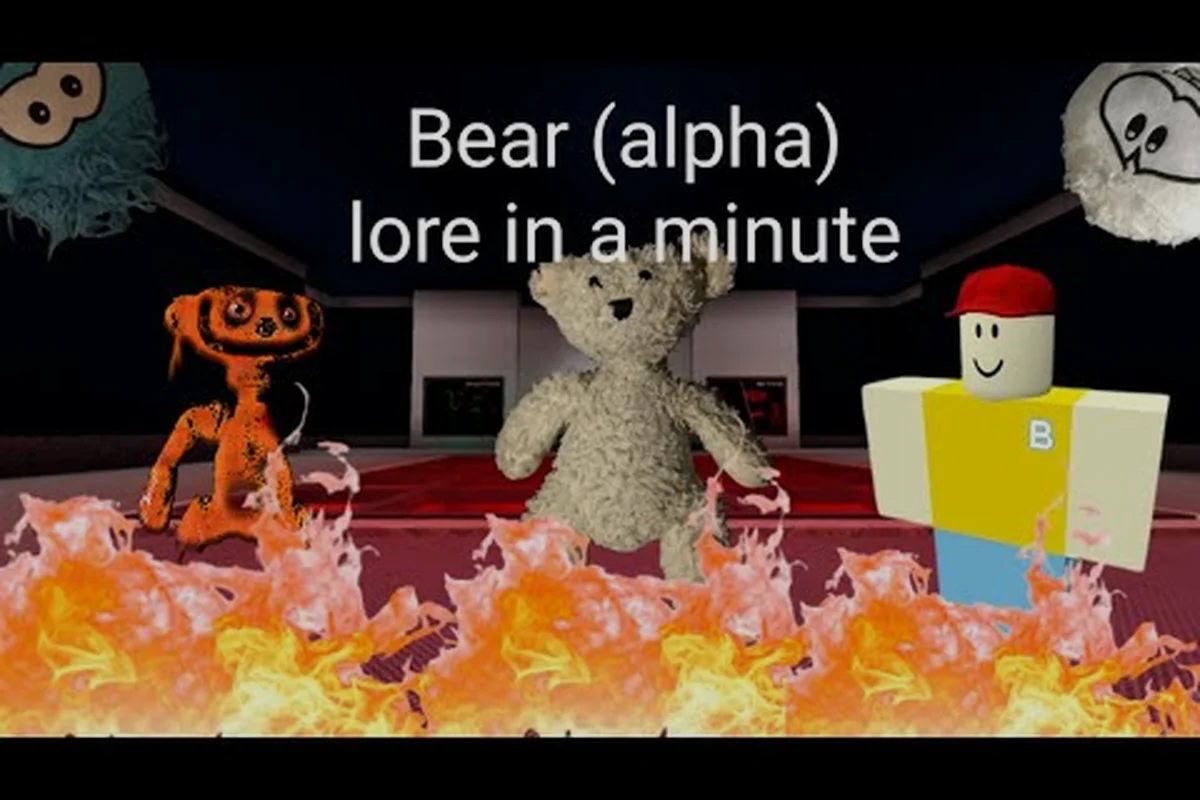
BEAR bear alpha lore: The Monstrosity and Alien Origins Explained
Uncover bear alpha lore through the Monstrosity’s origins, alien connections, Cove references, story clues, and theories connecting BEAR’s darkest events.
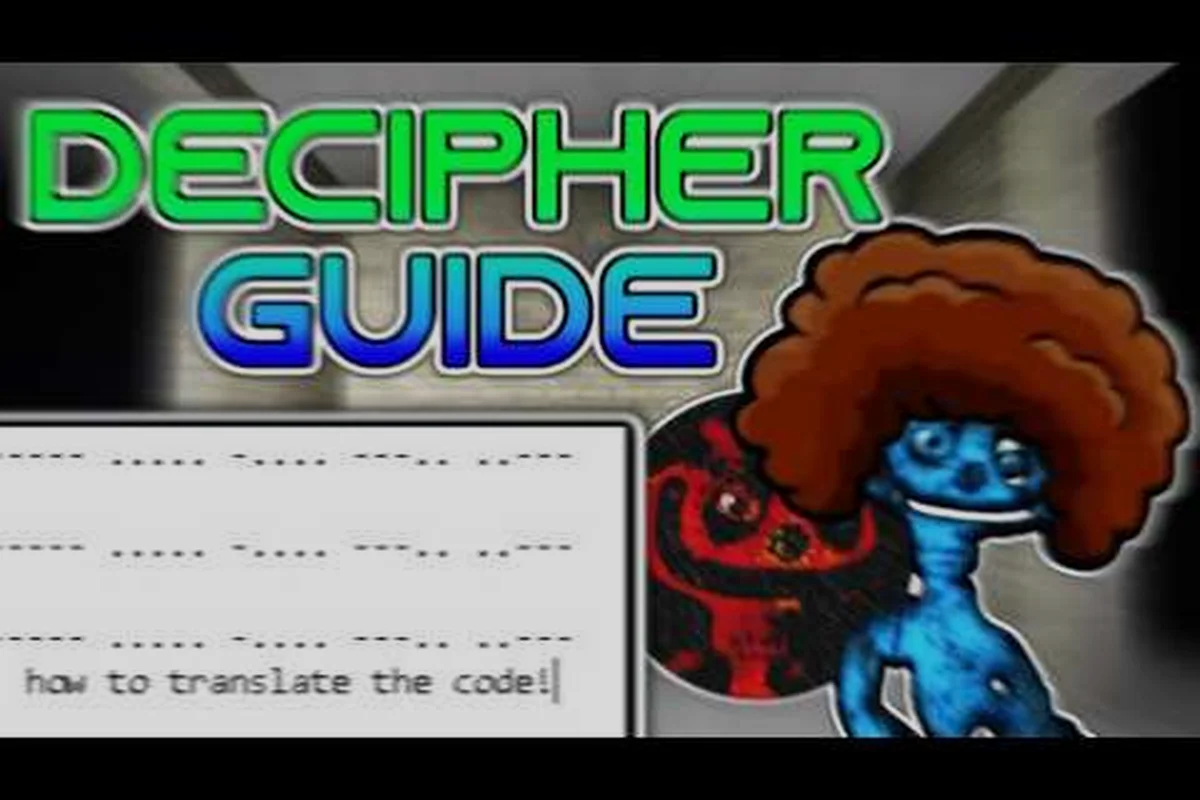
BEAR bear alpha decoded hints: AFROCITY Code Explained
Decode bear alpha decoded hints by deciphering the AFROCITY code, reading posters and radio messages, and connecting 2026 clues to the game’s lore timeline.
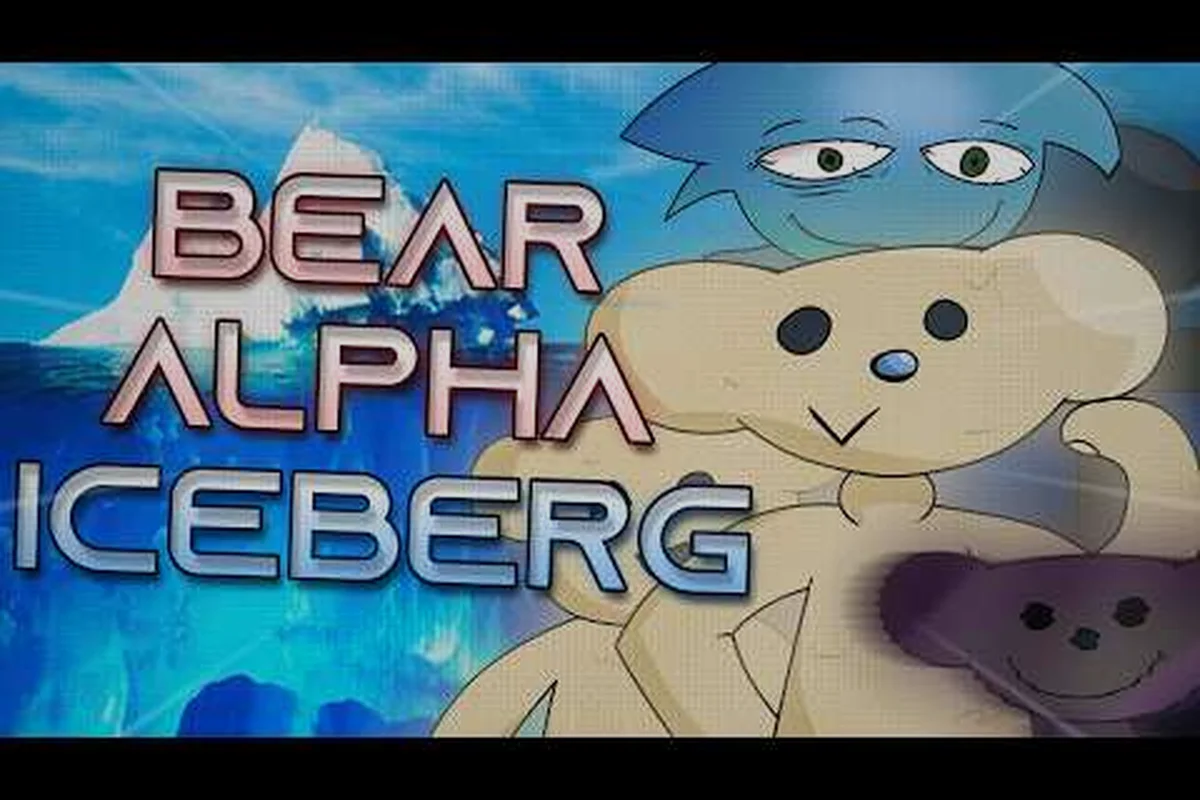
BEAR bear alpha iceberg: Secrets From Darkest Depths
Dive into bear alpha iceberg theories spanning hidden stories, Chromophobia clues, unsettling references, and possible secret endings.
All Articles
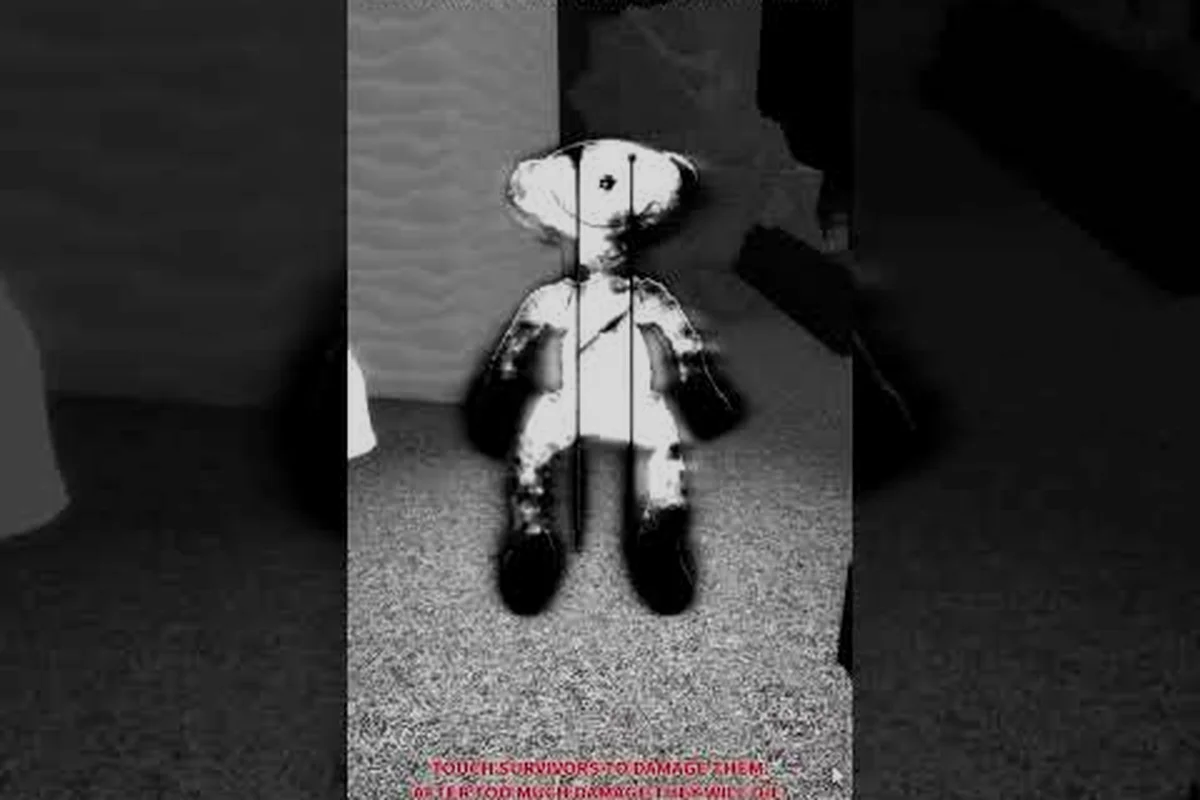
BEAR bear alpha tears before bedtime lore: Remake secrets
Uncover bear alpha tears before bedtime lore through the Deluxe Remake, eerie chase clues, and connections to BEAR’s hidden history.
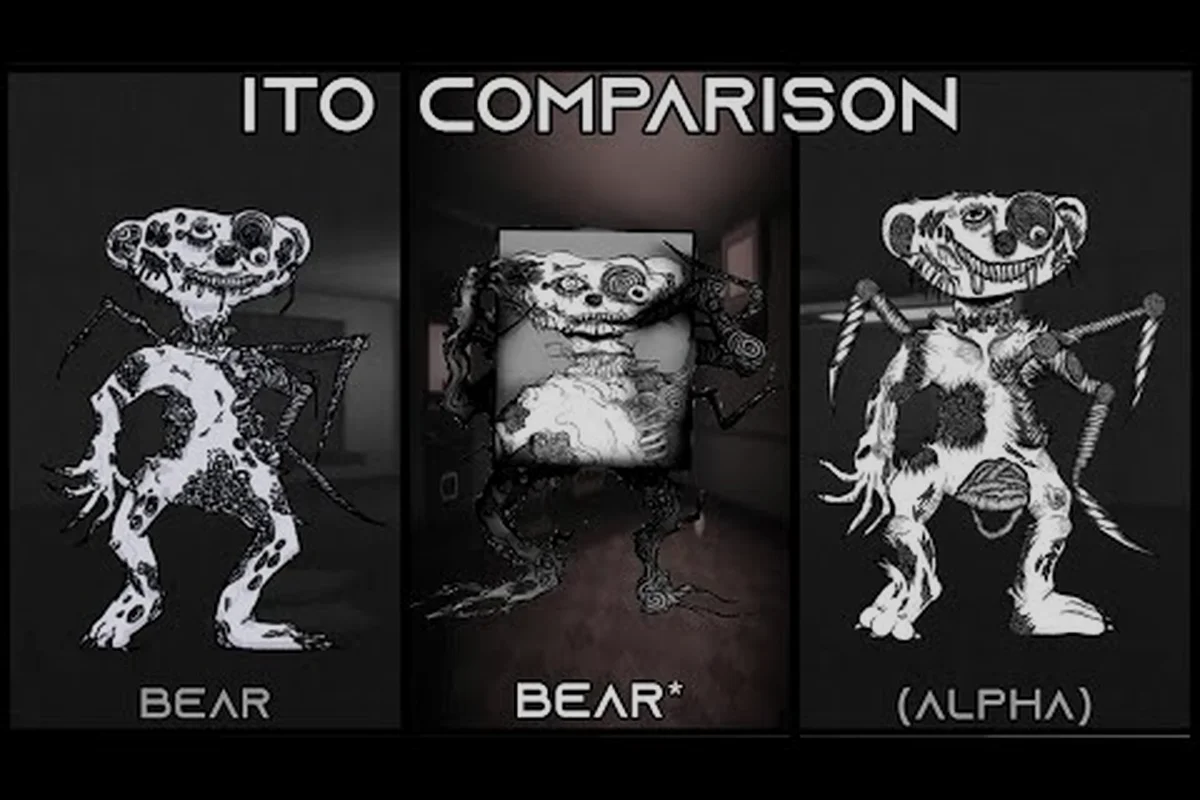
BEAR bear alpha vs bear star: Two versions compared
Compare bear alpha vs bear star across their stories, monsters, maps, and hidden connections to understand the two Roblox experiences.
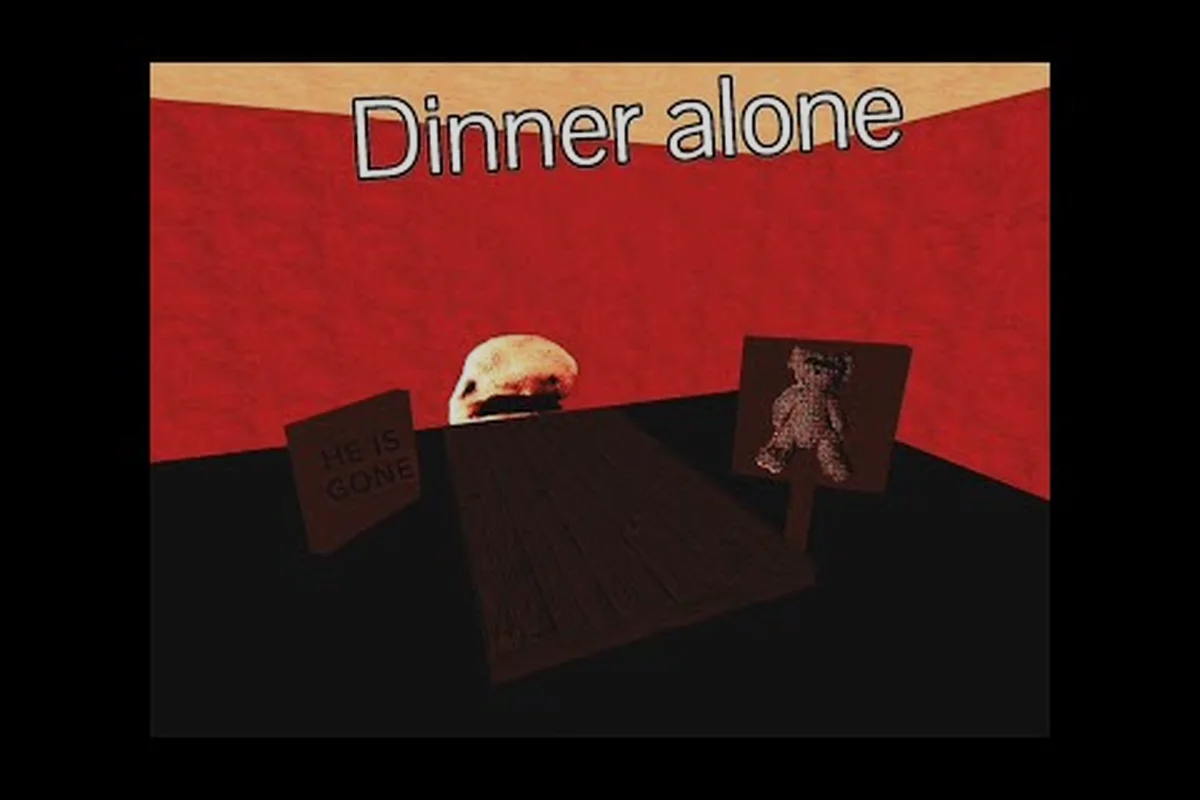
BEAR bear alpha creepypasta history: From error to legend
Trace bear alpha creepypasta history through error imagery, eerie songs, radio messages, and the stories that shaped its horror reputation.