
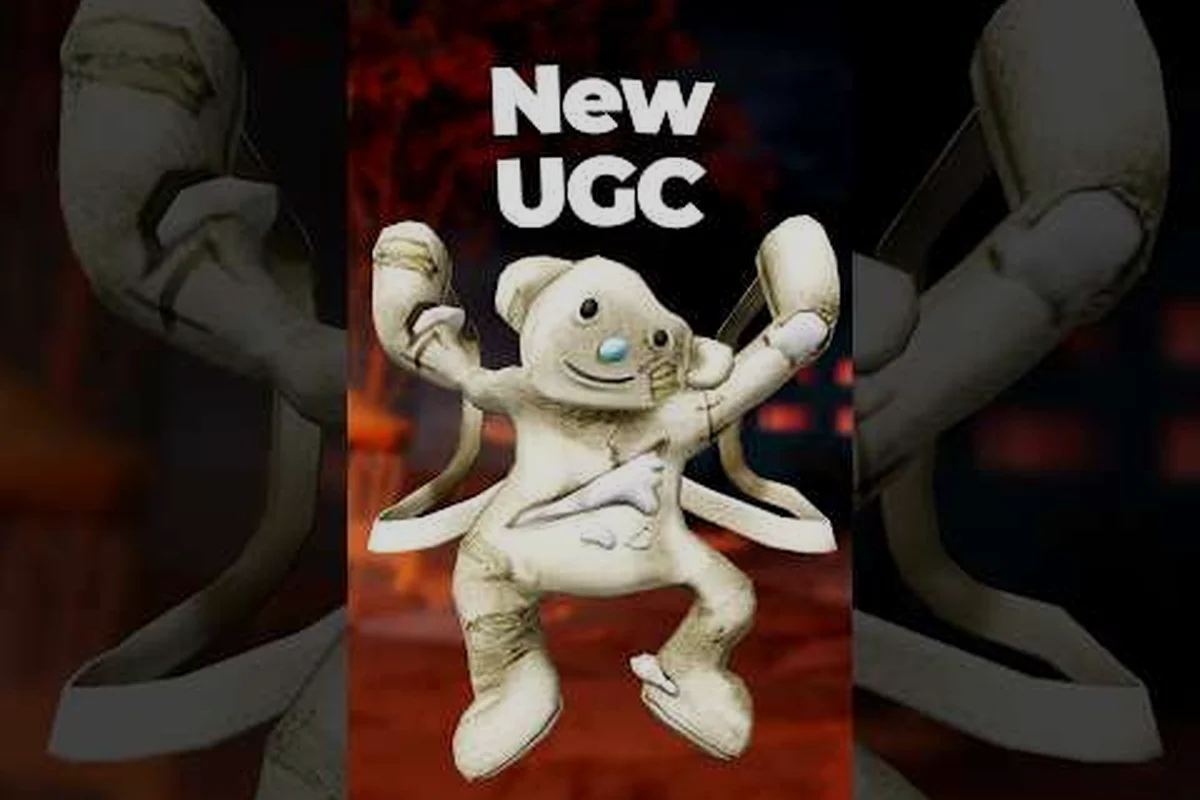
The bear alpha ugc bear collection matters because it mixes player-created cosmetics with recognizable rewards, rare drops, and event items. Discover which bear alpha iconic skins are worth chasing, how player reports describe the acquisition methods, and where rare cosmetics appear in the current item ecosystem.
BEAR Alpha has no official comprehensive wiki, so the strongest available information comes from Roblox creator discussions and player showcases. That distinction matters when separating confirmed item behavior from community impressions about rarity, availability, and future drops.
Bear Alpha UGC Bear Cosmetics Overview
The bear alpha ugc bear collection is best understood as a mixed catalog rather than one uniform reward family. It includes user-created cosmetics, limited event rewards, classic items, and items that players have reported obtaining through particular activities. Because no single official database confirms every source, the safest approach is to compare each item by its availability, visual identity, and how players describe the drop process.
Community sources currently provide several useful reference points. A creator’s Roblox DevForum discussion about uploading a BEAR-based UGC bundle confirms that players can create and upload cosmetics inspired by BEAR characters. Separately, community videos include a new UGC bear showcase by MrJ, a BEAR Plush Backpack showcase by Feelplays, and a Nightmare reward showcase by Toast.
| Cosmetic type | Best-known example in community sources | Availability signal | Main collector appeal |
|---|---|---|---|
| Player-created UGC | BEAR-inspired bundle | Uploadable through Roblox | Original design and creator identity |
| Plush cosmetic | BEAR Plush Backdrop or backpack, depending on the item label | Shown as a obtainable item in a community guide | Cute silhouette and recognizable profile display |
| Event reward | Nightmare | Reported as a Hallow event reward | Limited-event association |
| Existing roster item | Event, deluxe, legacy, or secret cosmetic | Source varies by item | Established rarity or prestige |
| Update release | Newly introduced UGC or reward item | Confirmed only by the current release | Early collection completion |
These categories overlap in appearance, but they imply different collection strategies. An original upload may be permanently available even if it is not obtainable from a boss, while an event reward can disappear after its event. Conversely, an item appearing in a showcase does not guarantee that every player can still obtain it.
Separating Item Names and Item Categories
Community pages occasionally use broad labels such as event, deluxe, legacy, secret, and UGC for quick grouping. Those labels help with sorting, but they do not establish a complete drop table. A plush backdrop, a backpack, and a full outfit should not be treated as interchangeable rewards until the in-game item description confirms the exact object.
For collectors, record three details whenever possible: the item’s full displayed name, the activity or creator associated with it, and the date it was last seen. That approach reduces confusion between similarly named cosmetics and makes a bear alpha rare cosmetics checklist more reliable over time.
What Current Community Reports Establish
Player showcases establish that particular cosmetics have existed and that creators have featured them, but they do not prove that every listed reward is currently obtainable. The three YouTube references above were verified for matching content on October 31, 2026, while the Roblox DevForum discussion provides stronger evidence for the UGC creation process itself. That distinction is central to understanding bear alpha old skins. Older cosmetics may remain visible in inventories, private servers, re-roll systems, or player showcases long after their original event. Their presence in a video proves existence, not necessarily availability.
Bear Alpha Iconic Skins and Visual Appeal
The strongest bear alpha iconic skins are recognizable through silhouette, color, and association with a major reward period. Community showcases make visual recognition especially useful: the Nightmare item is immediately presented as a Hallow event reward, while the plush item stands apart through its softer, toy-like design.
| Visual or thematic trait | Cosmetics that fit the description | Why collectors value it | Verification level |
|---|---|---|---|
| Dark or threatening presentation | Nightmare | Strong event identity | Community showcase |
| Plush or toy-like appearance | BEAR Plush Backdrop | Distinct from standard outfits | Community guide |
| Creator-authored character design | BEAR-inspired UGC bundle | Supports personal expression | Roblox creator discussion |
| Established roster identity | Legacy and secret cosmetics | Historical rarity | Community classification |
| Limited-release presentation | Update-exclusive cosmetics | Tied to a specific patch or reward cycle | Depends on release notes |
Why the Plush Item Stands Apart
The item commonly shown in community guides as a BEAR Plush Backdrop has a clear identity because it focuses on a small, plush representation rather than a full monster silhouette. Players may see both “backdrop” and “backpack” used across related videos or discussions, so the exact inventory label should be confirmed before that item is added to a formal checklist.
Its appeal is also independent of combat power. Cosmetics like this are collected for profile visibility, emotional attachment, and a distinctive look. That makes them useful examples when comparing a broader collection of BEAR Alpha skins, where visual variety matters as much as boss reward status.
Separating Iconic Design From Rarity
In this context, “iconic” should describe memorable design or cultural significance, not necessarily a strict rarity tier. A community-favorite item can become iconic because players recognize it, not because the game assigns it a confirmed rarity percentage. This distinction avoids treating every memorable skin as permanently exclusive.
| Collection goal | Better criterion than “iconic” | Example question to ask |
|---|---|---|
| Complete an event archive | Event association | Did this reward come from the Hallow event? |
| Track creator content | Authorship or UGC status | Was the cosmetic designed by a player? |
| Display a recognizable profile | Visual impact | Does the item remain distinctive in crowded lobbies? |
| Hunt for scarce finds | Confirmed source details | Is the current source still available? |
| Preserve old favorites | Historical presence | Can it appear in inventories or showcases? |
Bear Alpha Rare Cosmetics and Drop Signals
Community reports are especially useful for identifying bear alpha rare cosmetics, but rarity often has several meanings. A secret item may have a concealed unlock, while a legacy item may be scarce because its original source has ended. An event reward can be difficult to obtain without being formally labeled rare by the game.
| Rarity signal | What it indicates | Reliable way to check | Main uncertainty |
|---|---|---|---|
| Secret label | Hidden or unusual unlock path | Item description and player guides | Exact unlock requirements |
| Legacy label | Older release-era content | Current inventory or collection records | Return availability |
| Event label | Reward connected to a limited event | Original event page and showcase | Whether rewards can return |
| UGC label | Community-authored item | Roblox catalog and creator page | Whether the creator still publishes it |
| Low report frequency | Possible scarcity | Multiple recent player reports | Personal luck and visibility bias |
Reading “Rare” Reports Carefully
A rare item mentioned by one player may simply reflect that player’s limited playtime. Other signals are stronger: multiple independent showcases, a source tied to a completed event, or an item that appears behind a hidden trigger. Player reports can support a claim, but they should never be converted into invented drop percentages or exact spawn rates.
The Nightmare showcase is a good example of source-aware reporting. Toast presents it as a Hallow event reward, so its significance comes from a stated event association rather than an unsupported assertion that it is the rarest cosmetic in the game.
Checking the Live Item Menu First
Before spending Robux or spending substantial time hunting, check the live item menu and current event interface. Then compare its name with community references, look for the activity that awards it, and note whether the method is permanent, limited, creator-based, or unknown. A source confidence record prevents old videos from being treated as current drop guides.
-
Confirmed live: The current game shows the item and its unlock description.
-
Historically confirmed: Community evidence identifies the item and an earlier source.
-
Reported only: A player describes the item without a verifiable in-game explanation.
-
Unverified appearance: A visual resembles a known item, but the name and source are not confirmed.
This hierarchy makes the guide more reliable than a simple list of names. It also keeps bear alpha update skins from being mixed with rewards that have not actually appeared in the current version.
Bear Alpha Update Skins and Collectible Tracking
New content creates the fastest-moving part of any cosmetics list. Bear alpha update skins may appear through reward rotations, limited events, creator packs, or direct store availability, and community clips often document them before a complete written catalog catches up.
| Tracking stage | What to record | Why it matters | Best evidence |
|---|---|---|---|
| Preview | Item name and visual | Creates an initial watchlist | Release preview or official in-game display |
| Release | Exact item description | Confirms the live object and source | Current game interface |
| Community capture | Video or player note | Confirms appearance in play | Independent creator showcase |
| Rotation | Date and activity | Tracks whether the reward changes | Repeat observation |
| Archive | Permanent screenshot or inventory record | Preserves historical status | Player-held copy |
What an Update Clip Can and Cannot Prove
A creator video can document a newly released UGC appearance, as illustrated by MrJ’s showcase. It can also reveal visual details that a text list misses, including proportions, colors, and whether the item appears on the character, in the inventory, or as a profile display. However, a clip alone does not establish permanent availability or an official rarity class. For a broader view of release activity, the BEAR Alpha update analysis can help place new cosmetics in context. The important distinction is between an item being present in an update and being guaranteed to remain obtainable afterward.
Making a Low-Effort Collection Tracker
A spreadsheet with one row per cosmetic can prevent missing limited items. Include the item name, release date, source, acquisition status, visual category, and evidence link. Add a confidence column using the four-level system above, and revisit older rows whenever a major update arrives.
Rotation date deserves special attention because it records when availability was last confirmed. If a reward reappears in a later rotation, the original observation date remains useful for understanding its history. This method turns scattered videos into a timeline rather than an unorganized wish list.
UGC Versus Developer-Released Content
The Roblox DevForum bundle discussion demonstrates a genuine community creation route, but UGC status alone does not mean that every uploaded design appears in the normal BEAR reward pool. Creators publish through Roblox, and players may need a specific item link, creator page, or catalog entry to acquire it.
This distinction also helps when interpreting the phrase bear alpha fan favorite skins. Popularity can reflect community originality, recognizable character design, or a memorable event, but it does not tell a collector whether the item was created by the developer, uploaded by a player, or awarded by an event system.
Bear Alpha Fan Favorite Skins and Old Cosmetics
The appeal of bear alpha fan favorite skins often comes from shared player memory. Plush designs feel approachable, shadowy event rewards create status, and classic items preserve a connection to earlier gameplay. Fans may value the same cosmetics for completely different reasons, which is why a personal collection can work without a formal tier ranking.
| Collector profile | Likely priorities among community-known cosmetics | Practical benefit | Example source category |
|---|---|---|---|
| Appearance-focused | Plush or distinctive silhouettes | Strong profile identity | UGC and plush cosmetics |
| Completionist | Event, legacy, and secret items | Broad catalog coverage | Mixed release history |
| Lore-oriented | Nightmare and darker rewards | Cohesive atmosphere | Hallow event content |
| Creator-focused | Original BEAR-inspired designs | Supports independent creators | UGC bundles |
| Completionist veteran | Older recognizable items | Preserves game history | Legacy cosmetics |
Why Old Cosmetics Matter
Older items record how the community’s visual preferences have changed. A once-common cosmetic can become a status symbol simply because it is no longer easy to find. For this reason, bear alpha old skins deserve their own collection category even when the game does not provide a formal legacy vault.
Players should avoid assuming that an older item has become permanently unobtainable. Events can return, inventories can contain saved items, and reward mechanisms can change. The accurate description is that the original source may be closed, limited, or unknown—not that the item can never return.
Personal Value Versus Market Value
A recognizable plush cosmetic may have greater sentimental value than a cosmetic with a longer player show history. When comparing favorite items, consider visual consistency, emotional connection, and how well the design fits your usual character display. This approach is more useful than assuming a community favorite automatically belongs in a universal ranking. The Solar Eclipse cosmetic overview offers a separate look at visually dramatic skins and their appeal. Comparing that kind of polished themed design with a playful UGC plush can reveal which style fits your collection better.
Building a Community-Favorite Shortlist
Ask which cosmetics players repeatedly present without a rarity label, which items remain recognizable from their silhouette, and which designs appear in both old and recent showcases. Community frequency is useful evidence, but it should be combined with a current in-game check so popularity is not confused with availability.
| Signal | Fan-value meaning | Limitation |
|---|---|---|
| Repeated showcase appearances | Broad recognition | Older clips may be outdated |
| Positive creator commentary | Strong player attachment | Comments can exaggerate scarcity |
| Matching seasonal themes | Cohesive collection | May limit future availability |
| Distinctive silhouette | Visual memorability | Not every memorable item is rare |
| Long-term player use | Durable popularity | Usually lacks official confirmation |
Practical Ways to Acquire and Verify Bear Alpha UGC Items
The safest acquisition plan begins with the current game rather than an old video. Check live reward menus, event screens, store pages, and creator listings. For the bear alpha ugc bear specifically, distinguish between items made by other players and items supplied by BEAR’s own reward systems.
| Goal | First place to check | Second verification | Common mistake |
|---|---|---|---|
| Find creator cosmetics | Roblox creator or catalog listing | Creator showcase and item page | Assuming every uploaded design is a game drop |
| Hunt event rewards | Current event interface | Player footage with source context | Trusting a dated video as a current guide |
| Claim a plush item | The relevant event or reward screen | Exact item name and acquisition steps | Confusing backdrop with backpack |
| Complete an old collection | Inventory and community records | Recent confirmation of return status | Assuming every old item is gone |
| Track a new release | Current release content | Date-stamped creator footage | Treating a preview as a permanent release |
A Reliable Five-Step Hunt
Start by writing down the exact cosmetic name, then identify whether it is an event, deluxe, legacy, secret, or UGC item. Check the live interface for the relevant source, record the date and conditions, and preserve one piece of evidence. Finally, mark confidence so that an old or unclear method is not mistaken for a guaranteed drop.
The first step prevents broad searches such as “rare bear skin” from returning too many loosely related results. The second helps explain why the item may be scarce, while the final step creates a collection that can be updated without starting over.
Avoid These Common Collection Mistakes
Do not trust a thumbnail without checking the title and description, because similar plush or bear-themed cosmetics can look related. Do not treat every community favorite as obtainable through combat, since creator packs, events, and storefront items use different systems. Also avoid saving exact percentages without a current official source, because no authoritative data in the available references confirms universal drop rates.
The BEAR Alpha difficulty guide can help with broader progression questions, but cosmetics often depend on event access, update timing, or direct availability rather than combat difficulty. Spending hours improving gameplay when the item is creator-published can waste time, so verify the source first.
Bear Alpha UGC Bear Collection Summary
The bear alpha ugc bear catalog rewards curiosity and careful verification. Player-created bundles add originality, plush cosmetics provide an instantly recognizable style, and event rewards such as Nightmare connect items to a specific moment in BEAR Alpha’s history. No single source currently proves every drop rate or availability window, so community videos should support—not replace—the live game interface.
Start with the five verification steps, record source confidence, and revisit your list after updates. This approach captures both bear alpha iconic skins and bear alpha rare cosmetics without turning uncertain player reports into permanent claims. As the collection grows, its real value comes from the documented history behind each item: who made it, where it appeared, and what evidence confirms its status.
Frequently Asked Questions
What is the bear alpha ugc bear?
The bear alpha ugc bear refers to cosmetics associated with BEAR Alpha’s user-created content and related collectible items. Sources include creator-made bundles, plush-themed rewards, event cosmetics, and established roster items. Because the available references are creator posts and player showcases, the exact item source should always be confirmed in the current game interface.
Is the BEAR Plush Backdrop still obtainable?
The plush cosmetic has been documented in a community guide, but the available evidence does not prove its current drop method or whether its availability has returned. Check the live event and reward screens for an exact name match. A dated video can document its appearance, although it cannot prove that the original method is still active.
Where did the Nightmare cosmetic come from?
A community showcase by Toast presents Nightmare as a reward connected to BEAR Alpha’s Hallow event. That report supports its event association, while leaving the item’s present return schedule uncertain. Players should check whether the Hallow event or a related reward interface is active before planning to spend Robux or time collecting it.
Are BEAR Alpha old skins permanently unavailable?
Old skins are not automatically permanent losses. A closed event reward might return, while an item in another player’s inventory proves ownership rather than general availability. To distinguish an old cosmetic from a currently obtainable one, record the source, check the live game, and compare the result with a recent community report.
Can players upload BEAR-inspired UGC cosmetics?
The Roblox DevForum discussion confirms that a creator attempted to upload a bundle based on BEAR characters and encountered a moderation or asset-ID issue. That supports the existence of a creator-upload route, but it does not guarantee approval or inclusion in the normal reward pool. Creators should follow Roblox’s current publishing and asset validation rules.